
Our Analysis

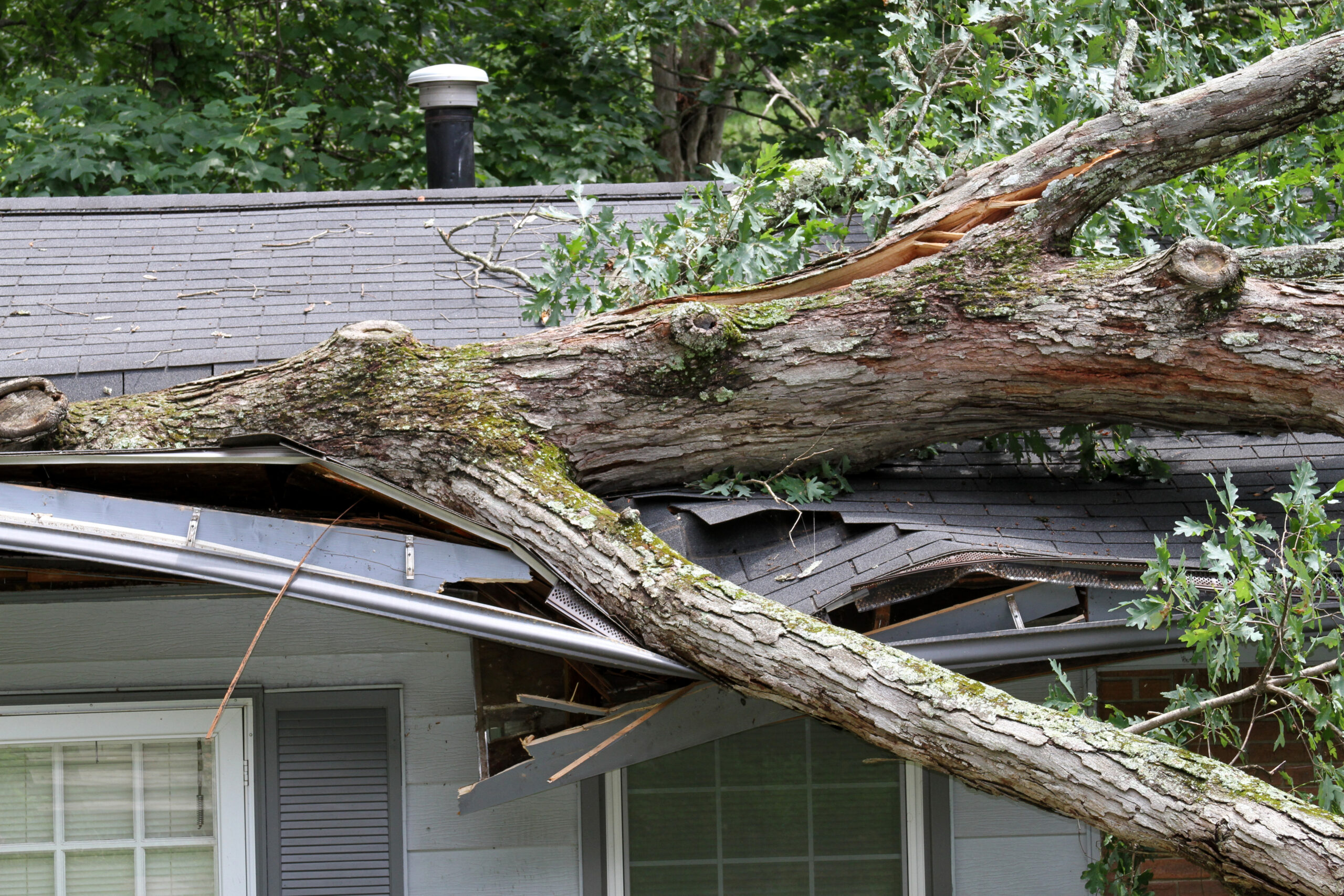
Trees are a beautiful and functional part of your home’s landscape. However, if not monitored, inspected, and maintained, they can pose a risk to your family and home. This risk is multiplied during storms, wind, lightning, snow, and ice events. Here are some tips to maintain your trees and be prepared for the unexpected.
Our Actionable Advice

Tree Maintenance Tips:
Healthy, well-cared-for trees usually don’t die, snap, lose limbs, or house termites. A healthy tree may help prevent damage to your home or property. Here are some techniques to keep your trees healthy, according to Nationwide:
- Begin care in the fall, especially for new trees, using the PINE method:
- Prune,
- Inspect
- Nourish
- Extend the growing season by planting in the fall.
- Observe and monitor changes, and know the signs of tree diseases.
- Mulch and prune weekly. Clear out old mulch, apply a 2–4-inch layer, and keep mulch from touching the bark. Only prune when you notice dead limbs or branches that have cracked.
What to do Before a Storm, according to Travelers:
- Remove any dead trees from your property.
- Timely watering, fertilization, and protection from soil compaction will result in a healthy tree that may remain firm in the wind and recover from damage.
- Regularly prune dead or broken limbs. Thin excess branches every 3-5 years.
- Remove or treat pest problems.
How to recognize Signs of a Dangerous Tree, according to Travelers:
- Cracks in the trunk or major limbs
- Signs of hollowing and decay
- Mushrooms growing from the bark
- Significant leaning from one side
- Limbs leaning close to or in contact with power lines
- Branches close to or hanging over your house
Immediate Safety Steps if a tree falls on your home according to Mercury Insurance:
- Contact your Homeowners Insurance Agent immediately. An Insurance Adjuster will be sent to assess the situation and guide you through the claims process.
- Ensure everyone remains safe.
- Leave the home if necessary.
- Do not touch any downed power lines or unstable debris, like tree limbs or pieces of wood, bricks, or roofing.
- Secure the area until you have professionals out to assess the damage.
- Place a tarp if needed to avoid water damage inside the home.
- If safe to do so, document the damage with photos and videos.
Does Homeowners Insurance Cover Damage from Fallen Trees, according to Mercury Insurance?
- Most Homeowners Insurance covers tree damage caused by sudden, unexpected events, such as hurricanes, tornadoes, windstorms, or lightning strikes. If a tree falls due to a covered peril, the policy will typically cover to repair the damage.
- Homeowners Insurance will likely cover other structures on your property beyond your main house. Detached structures like garages, sheds, or fences may also be covered if a tree falls on them.
- Homeowners Insurance will not cover tree damage if the loss was caused by lack of maintenance or neglect, for example, a tree that was rotting, diseased, or poorly maintained, or failing to remove a hazardous tree.
- Even if a tree falls on your property but does not strike a covered structure, Homeowners Insurance usually does not cover removal costs.
- If a tree falls on your car as the result of a storm, your Auto Insurance will consider the claim, not your Homeowners Insurance.
The Big Takeaway

Courtney, our Home and Auto Insurance expert, is in your corner. If you have questions about your Home or Auto Insurance, or would like us to review your policy or provide a quote, please email Courtney or call her at 678-906-2008 ext. 1209.
Resources:
- Benefits of tree maintenance: Tips to keep your trees healthy, Nationwide
- Does Homeowners Insurance Cover Damage from Fallen Trees?, Mercury Insurance
- Tree Maintenance and Care, Travelers